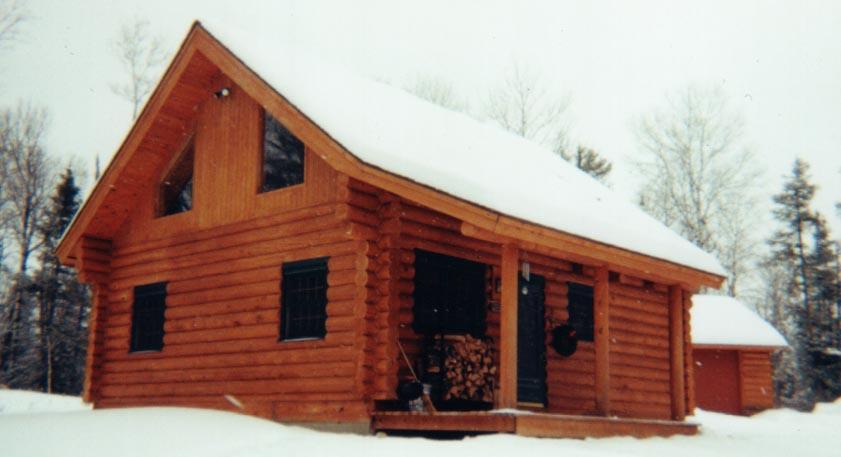
I covered the basic steps in closing a cabin and winterizing the water lines in previous posts.
The following is a master checklist we use to close the cabin for the winter or long stretches during winter.
The main item to consider is the removing water from the piping, traps, pressure tank, hot water tank, and toilets. The removal of the water is necessary. As water freezes, it expands and when water is contained, the pipes, traps, tank and toilets may break or leak. Hiring a plumber to fix these items can be expensive.
Consider these steps:
1. Turn off the electrical power to any submurgeable pump and electrical hot water heater. (Natural or propane gas water heaters should be turned off).
2. Turn off the water valve entering into the cabin. This may be a curb stop valve that is in the waterline and below the frost line on the exterior of the cabin.
3. Open all faucets (kitchen, vanities, tub, toilet and any outside hose bibb). Drain the hose at the kitchen sink.
4. Open the valves for the hot water heater and pressure tank. (A Pressure tank is used when a submurgeable pump is used to bring water from an underground aquifer).
5. Open the cold water and hot water valves in the basement or crawl space and let the water run into the basement or crawl space drains. (This is based on the water lines that slope toward water line valves. If the water lines do not slope toward the waterline valves, the lines will be required to be blown with pressurized air to push the water toward the valves.
6. Close the water valve that services to the toilet tank. Flush the toilet to drain the toilet water tank. Sponge the toilet tank and stool dry. Pour one cup of RV anti-freeze into the kitchen, vanity, tub drains, and any other drains. Use 2 cups in the toilet drain as the trap is larger than the other traps. Also place anti-freeze in the toilet tank. The anti-freeze will keep the drain trap water from freezing solid.
7. Turn off all electric and gas heaters. Unplug the refrigerator, toaster, coffee maker, T.V., radios and any other electrical appliance. The main power to the cabin may be turned off or left on, as an optional choice.
8. Turn on any security systems. These may be connected to the main power source. If so, leave the main power on. The power company will charge you for the electrical power that is used, but it is usually a minimum charge and will be worth your expense.
Consider these steps:
1. Turn off the electrical power to any submurgeable pump and electrical hot water heater. (Natural or propane gas water heaters should be turned off).
2. Turn off the water valve entering into the cabin. This may be a curb stop valve that is in the waterline and below the frost line on the exterior of the cabin.
3. Open all faucets (kitchen, vanities, tub, toilet and any outside hose bibb). Drain the hose at the kitchen sink.
4. Open the valves for the hot water heater and pressure tank. (A Pressure tank is used when a submurgeable pump is used to bring water from an underground aquifer).
5. Open the cold water and hot water valves in the basement or crawl space and let the water run into the basement or crawl space drains. (This is based on the water lines that slope toward water line valves. If the water lines do not slope toward the waterline valves, the lines will be required to be blown with pressurized air to push the water toward the valves.
6. Close the water valve that services to the toilet tank. Flush the toilet to drain the toilet water tank. Sponge the toilet tank and stool dry. Pour one cup of RV anti-freeze into the kitchen, vanity, tub drains, and any other drains. Use 2 cups in the toilet drain as the trap is larger than the other traps. Also place anti-freeze in the toilet tank. The anti-freeze will keep the drain trap water from freezing solid.
7. Turn off all electric and gas heaters. Unplug the refrigerator, toaster, coffee maker, T.V., radios and any other electrical appliance. The main power to the cabin may be turned off or left on, as an optional choice.
8. Turn on any security systems. These may be connected to the main power source. If so, leave the main power on. The power company will charge you for the electrical power that is used, but it is usually a minimum charge and will be worth your expense.